Choosing solar panels for your house can feel like navigating a tech store with no price tags. Kilowatts, rebates, inverters—where do you even start? As installers who work on rooftops across Australia, we’re here to turn that confusion into clear, simple plans. In this guide, we’ll walk you through everything you need to know to make the right decisions, avoid hidden costs, and save smartly as you switch to solar energy.
1. How Much Power Do You Actually Use?
Before you start worrying about roof size or panel aesthetics, take a good look at your electricity bill to find out your daily kilowatt-hour (kWh) usage. This is crucial in determining the size of the system you need.
Here’s a simple breakdown:
| Daily Usage (kWh) | Recommended System Size | Roof Area Needed (m²) |
|---|---|---|
| ≤ 12 kWh | 3–4 kW | 15–20 m² |
| 13–20 kWh | 6.6 kW (most popular) | 28–34 m² |
| 21 kWh+ | 8–10 kW | 36–50 m² |
Note: This assumes 400W Tier-1 panels. You can oversize slightly without a large cost increase—Australian standards allow 33% more panels than your inverter’s rating, helping you capture more sunlight during early mornings and late afternoons.
2. Key Hardware Choices That Impact Solar Panel Cost
When selecting solar panels for your house, hardware is a major factor in the cost and efficiency of your system.
- Panels
Tier-1 manufacturers like Jinko, LONGi, and Trina dominate Australian roofs. While premium panels from brands like SunPower and REC cost 15–25% more, they offer better efficiency and longer warranties—ideal if roof space is limited or you plan on staying in the house for the long run. - Inverters
Inverters are the brain of the system.- String inverters (brands like Fronius and Sungrow) are budget-friendly and ideal for unshaded roofs.
- Micro-inverters (like Enphase) or DC optimisers (such as SolarEdge) cost $1,000–$2,000 more but compensate for shaded roofs and uneven sunlight exposure.
- Racking and Cabling
For tile roofs, steep pitches, or double-storey homes, extra rails, safety gear, and labour are needed. This can add $300–$800 compared to simpler setups on single-storey tin roofs.
3. Incentives That Help Slash Costs
Every new system qualifies for Small-scale Technology Certificates (STCs), which installers apply directly to reduce your upfront cost.
For example:
- A 6.6 kW system in Newcastle generates 97 STCs. At the 2025 spot price of $37 per STC, that’s $3,589 off your total price.
Additionally, state programs further sweeten the deal:
- Victoria offers up to $1,400 off plus zero-interest loans.
- South Australia and New South Wales offer varying rebates or low-interest loans for solar batteries.
We calculate these during your quote to ensure the total out-of-pocket cost is crystal clear, with no surprises.
4. Return on Investment: Real Numbers
A well-sited 6.6 kW system in Adelaide can save you $1,400–$1,700 annually on your energy bills. If the net installation cost is $6,800 (after rebates), that’s a simple payback of 4 years.
Panels typically come with a 25-year performance warranty, meaning you’ll enjoy two decades of virtually free power, worth around $25,000 or more in savings.
How to boost savings:
- Run energy-heavy appliances (like your dishwasher, washing machine, and pool pump) between 10 a.m. and 3 p.m. when solar energy production peaks.
- Add a hot-water diverter—a $600 device that channels excess solar power into your hot water tank, replacing the need for grid heating.
- Review feed-in tariffs annually. Even a small increase, like 2 c/kWh, could add up to $120 extra per year on a 6.6 kW system.
5. Batteries: Now, Later, or Never?
The average 10 kWh lithium battery costs $9,000–$12,000 installed. For households with 70% or more night-time consumption or a need for blackout protection, batteries may pay off within 8 years. For others, we design systems as battery-ready, so you can add storage later without rewiring.
6. What Happens on Installation Day?
Here’s what to expect on the big day:
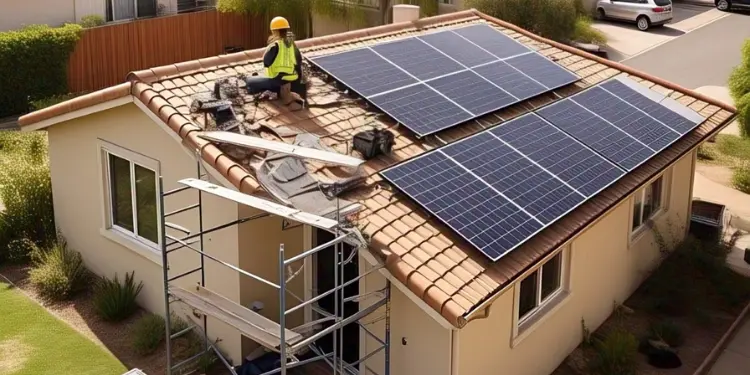
- Safety first: Scaffold or edge protection will be set up by 8 a.m. if your home is more than one storey.
- Panel placement: We position panels to avoid vents and maximise winter sun exposure.
- Electrical work: A Clean Energy Council-accredited electrician will mount the inverter, upgrade your switchboard (if necessary), and route the cables.
- Commissioning: We check system voltage, apply shutdown labels, and activate your monitoring app before we leave.
- Paperwork: We handle all grid-connection forms, and your meter swap usually happens within two weeks.
To see how a professional solar panel installation unfolds in Australia, watch this detailed walkthrough:
Rooftop time: A typical installation takes one day for suburban homes and two days for complex roofs.
7. How to Read Solar Quotes Like a Pro
Use this checklist to ensure you’re getting a fair deal:
| Line Item | Watch-out | Green Light |
|---|---|---|
| Panel Brand | “Tier-2” or no datasheet | Tier-1 panels + 25-year warranty |
| Inverter | Unknown brand | Fronius, Sungrow, Enphase, SolarEdge |
| Workmanship Warranty | 2 years | 5–10 years, in writing |
| Monitoring | Extra cost | Included with app and live data |
| Compliance | Missing CEC numbers | Designer & installer IDs clearly listed |
If the quote seems unusually low, ask what corners were cut. Rail quality, cable gauge, and roof-penetration sealing are often where corners get cut to save costs.
8. Maintenance: Low Effort, High Reward
Solar panels are low-maintenance with no moving parts. Rain typically keeps them clean in most metropolitan areas. However, in coastal or dusty regions, it’s good to hose them down every six months.
We recommend scheduling a biennial health check—think of it like a dentist appointment for your solar system. This helps detect loose cables or inverter faults before they affect your savings.
Final Word: Is Solar Right for Your House?
Installing solar panels for your house isn’t just a way to cut today’s electricity bill—it’s an investment in your home’s future. With the right system size, hardware choices, and rebates, you can lock in low energy costs for decades, all while reducing your carbon footprint.
Ready to see how your roof stacks up? Book a free, no-obligation drone inspection and quote today. We’ll provide the data, the numbers, and a clear roadmap to a cheaper, cleaner energy future.
To get a clearer picture of current pricing, rebates, and installation trends, check out our detailed breakdown: Solar Panel Cost in 2025: What Aussie Homes Can Expect.
Contact us to get started!