Switching to solar isn’t just an eco-goal, it’s a budget-smart move. But when you search for house solar panels price, the figures can swing wildly between $3,000 and $15,000. As a Melbourne-based installer, we’ve priced thousands of systems across Australia. This guide breaks down real-world costs, what affects them, and insider tips to help you save.
1. Quick Price Snapshot
For a typical Australian home, turnkey solar systems (including panels, inverter, install, and monitoring) range from $1,000 to $1,400 per kilowatt. Here’s what that looks like:
| System Size | Suits | Turnkey Cost (After STC Rebate) |
|---|---|---|
| 3 kW | Unit or small home | $3,000 – $4,200 |
| 6.6 kW | Average family home | $6,500 – $9,000 |
| 10 kW | Large/high-use home | $10,000 – $14,000 |
Includes Tier-1 panels, 10-year workmanship warranty, Wi-Fi inverter. State rebates not included.
2. Why One Roof Gets Two Quotes
Several factors push the price up or down:
- Panel brand: Tier-1 brands like Jinko and Trina are popular for affordability and performance. Premium brands like SunPower or REC boost output and warranty, but cost more.
- Inverter type: A string inverter is the budget pick. Micro-inverters and DC optimisers are ideal for complex or shaded roofs but add $1,000–$2,000.
- Roof complexity: Steep slopes, double-storey homes, or fragile tiles add $300–$1,000 due to extra safety gear and installation time.
- Location matters: Metro areas have more installers and competition. Rural and remote properties often face higher travel and logistics fees.
- Electrical compliance: If your switchboard is outdated or has no spare breakers, expect to budget $500–$1,200 for upgrades.
3. Rebates and Incentives: Built-In Discounts
Every new system qualifies for Small-scale Technology Certificates (STCs). These act like a rebate at the time of purchase, not later.
Example: A 6.6 kW system in Melbourne earns around 90 STCs. At $38 each (April 2025), that’s a $3,420 discount applied right at the quote stage.
What about Victoria?
If you’re in Victoria, the Solar Homes Program can offer:
- Up to $1,400 extra rebate
- Zero-interest loans repayable over four years
- Additional support for rental properties and community housing
Other states (like NSW and SA) have different incentives, so check local programs.
4. Solar Payback: When It Starts Earning
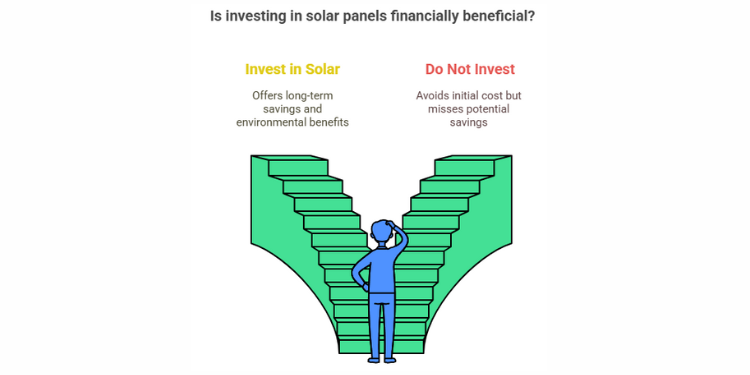
A properly sized and sited 6.6 kW system in Melbourne can save $1,300–$1,600 a year on electricity bills. That’s based on:
- High daytime usage (running appliances while the sun’s out)
- Reasonable feed-in tariffs (when excess energy is sent to the grid)
- Avoiding high evening peak rates
At a $7,500 install cost, the payback period is about five years. After that, you could pocket $20,000+ over 20 more years of production—making solar one of the best long-term home investments.
5. Battery or No Battery?
Adding a 10 kWh lithium battery costs $9,000 to $12,000 installed. While batteries provide blackout protection and increase your self-consumption (using your solar energy at night), the payback period often exceeds 10 years.
When does a battery make sense?
- You experience frequent blackouts
- You have high evening electricity use
- You want to reduce grid reliance
- You’re installing solar in an off-grid or hybrid setup
For most Aussie homes, a battery is a Stage Two investment—wait until your panels have paid for themselves.
6. Pro Tips to Cut Solar Costs
Here are a few smart ways to reduce your upfront spend:
Team up with neighbors
We often coordinate two or more installs in the same street. That cuts down on scaffolding, travel, and setup costs—saving each home $300–$500.
Oversize your panel array
Install 6.6 kW of panels on a 5 kW inverter—totally legal under Australian standards. It boosts generation in mornings and late afternoons without needing a larger, more expensive inverter.
Install in winter
Summer is peak season. Booking your install during winter often means:
- Faster scheduling
- Off-season discounts
- Ready to capitalise on high summer production
7. Read Solar Quotes Like a Pro
Before you sign off on a solar deal, check these key details:
| Line Item | What to Check |
|---|---|
| Panel model & warranty | Tier-1 status + 25-year performance guarantee |
| Inverter brand | Reliable brands include Fronius, Sungrow, SolarEdge |
| Monitoring | Look for app-based access to monitor performance daily |
| Workmanship warranty | Expect 5–10 years—ensure it’s written in the contract |
| CEC accreditation | Only Clean Energy Council–approved installers qualify for STCs |
8. Why Installation Quality Matters
The temptation to go with the cheapest quote can backfire. Poor workmanship leads to:
- Panel hotspots from sloppy cabling
- Roof leaks from incorrect mounting brackets
- Inverter faults due to mis-matched stringing
These issues often cost thousands more to fix after the fact. We follow CEC best practices, use licensed electricians, and back our work with a 10-year warranty. Plus, every install includes a free 12-month health check.
9. What About Solar for Apartments?
Apartment owners and renters often assume solar is off-limits—but shared systems and virtual net metering options are emerging in some states.
If you live in a strata-managed building:
- Check if there’s roof space and common interest
- Look into embedded networks or solar for common areas
- Explore state funding or community energy groups
10. What Should I Do Next?
The house solar panels price depends on your home, energy needs, and rebate eligibility. A custom quote is the only way to see what’s truly possible.
Contact us to book a free roof assessment. We’ll map your sunlight hours, check rebate eligibility, and calculate your true payback—no guesswork, just real savings.